

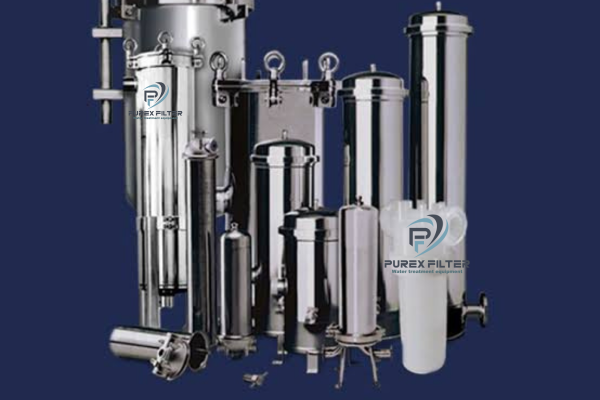
At the core of these systems lies a complex yet well-orchestrated arrangement of components that work together to provide efficient cooling. From the compressor, which pressurizes the refrigerant, to the evaporator, where heat is absorbed from the chilled water, each part plays a critical role in the refrigeration cycle. The condenser, expansion valve, fans, and control systems all contribute to optimizing performance, ensuring reliable operation, and maximizing energy efficiency.
- Landlord Pays the Bill: Tenants enjoy predictable monthly costs as the landlord covers cooling expenses.
- Lower Initial Costs: Simpler installation and maintenance reduce upfront expenses.
- Potential for Higher Landlord Costs: Landlords may face increased energy bills due to less efficient systems.
- Environmental Impact: Traditional cooling systems can contribute to higher emissions.
- Centralized Efficiency: A network of pipes distributes chilled water to multiple buildings, optimizing energy use.
- Reduced Emissions: More environmentally friendly due to advanced technology and alternative fuels.
- Long-Term Savings: Centralized management and maintenance can lead to lower cooling costs over time.
- Higher Initial Investment: Property owners may face significant upfront costs for infrastructure.
The choice between chiller-free apartments and district cooling in Dubai depends on individual priorities, financial circumstances, and environmental concerns. While chiller-free apartments offer convenience and lower upfront costs, district cooling systems can provide long-term savings and environmental benefits. By carefully considering these factors, you can make an informed decision that best suits your lifestyle and needs.
Project Done
Happy Customers
Awards Win